What We Do

Services

Here's the full list of concrete work we take on, from a single cracked walkway panel to a full driveway tear-out.

Home › Services

Everything we take on

Every job below is one we do ourselves across Lakewood.

Concrete Driveways

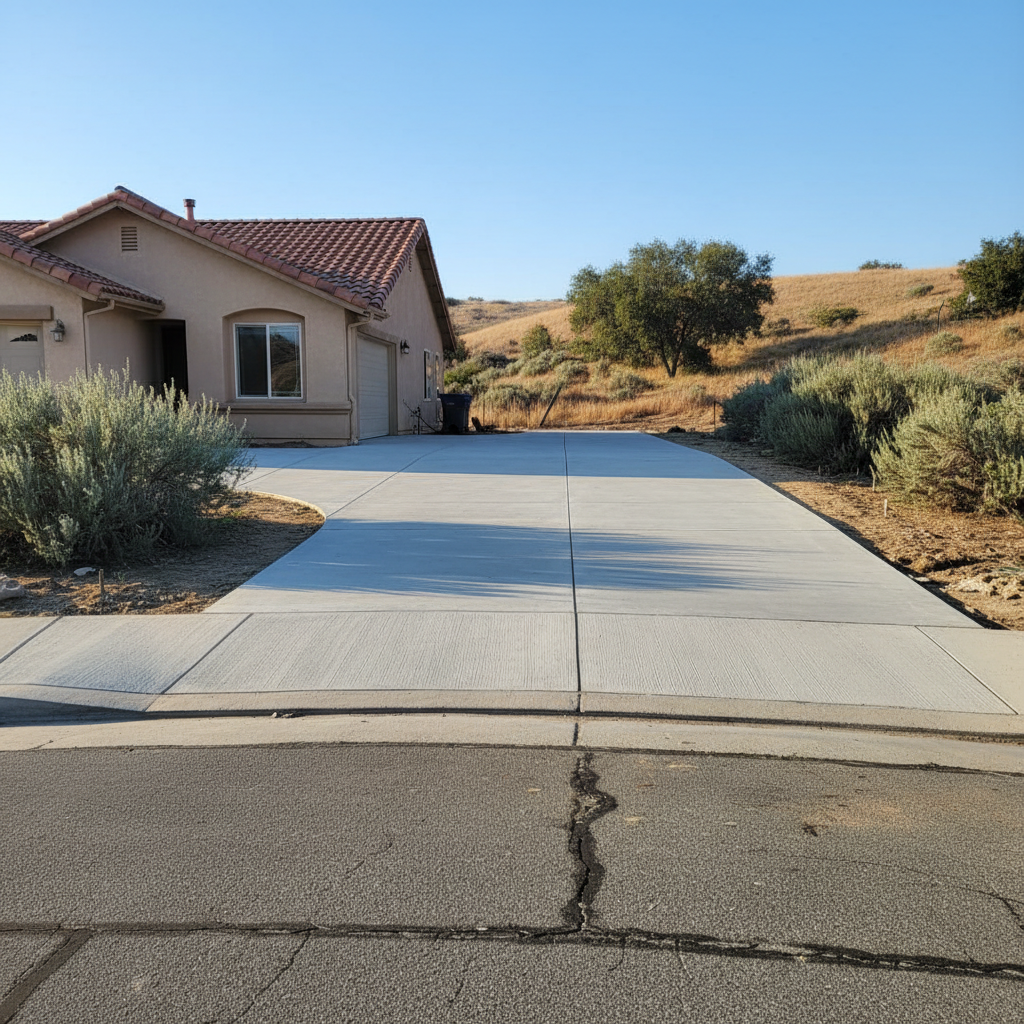
A driveway takes more weight and more daily use than almost any other slab on the property, so the base matters more here than anywhere else. We compact the sub-grade, set forms to the right slope for drainage, and place rebar on anything wider than a single car width. Most residential driveways run 4 inches thick, more if you're parking something heavier than a sedan.

Concrete Patios

Patios don't carry cars, but they carry furniture, planters and years of foot traffic. We set the pitch away from the foundation so water doesn't pool against the house. Broom finish, exposed aggregate or a stamped pattern, your call.

Stamped Concrete

Stamped concrete gets you the look of flagstone, brick or cobblestone at a fraction of the labor cost of laying actual stone. We color the slab before we stamp it, then seal it, which is the step a lot of cheaper jobs skip. Skip the sealer and the color fades within a couple of summers.

Concrete Walkways

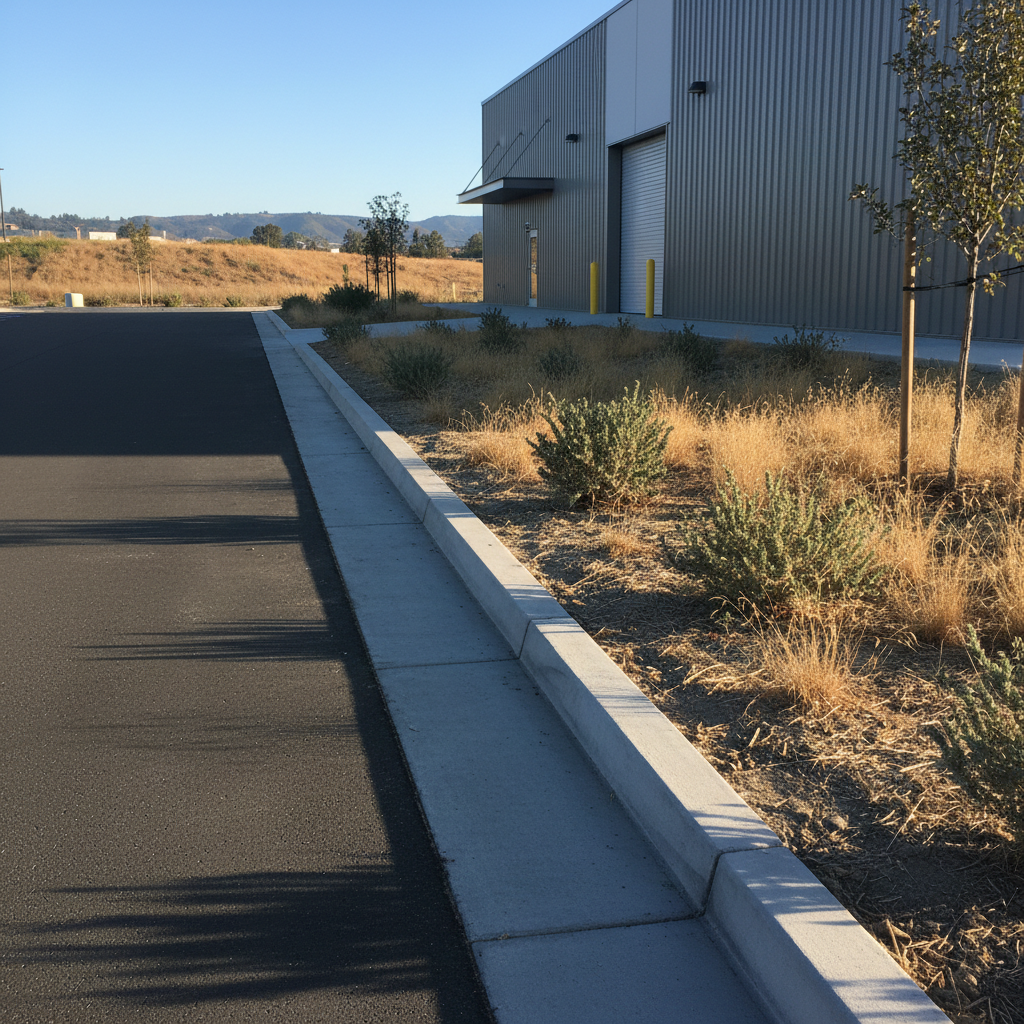
A walkway seems like the simplest pour on the property until it's poured too narrow, sloped the wrong way, or butted against a step with no transition. We size them for real foot traffic, usually 3 to 4 feet wide, and tie them into existing grade so you're not stepping down an inch at the door.

Concrete Slabs

Shed pads, garage slabs, workshop floors. These need a vapor barrier underneath if anything going inside doesn't like moisture, and a flat, level pour matters more here than on a patio because you're setting a structure on top of it.

Concrete Steps & Porches

Steps get walked on wet, in the dark, in a hurry, so the rise and run have to stay consistent, not just close enough. We finish the tread with a broom or a non-slip additive, because a smooth trowel finish on steps is asking for a fall.

Concrete Repair & Crack Repair

Not every crack means the slab is failing. Hairline cracks from shrinkage are normal and mostly cosmetic. A crack that's wider at one end, or a corner that's sunk below the rest of the slab, usually means the base underneath washed out or settled, and that needs mud-jacking or a partial replacement, not a bead of caulk.

Concrete Resurfacing

If the slab underneath is still structurally sound but the surface has spalled, pitted or gone gray and rough, resurfacing gives you a new wear layer without tearing anything out. It won't fix a slab that's cracked through or settling, that's a repair job, not a resurfacing job.

Retaining Walls

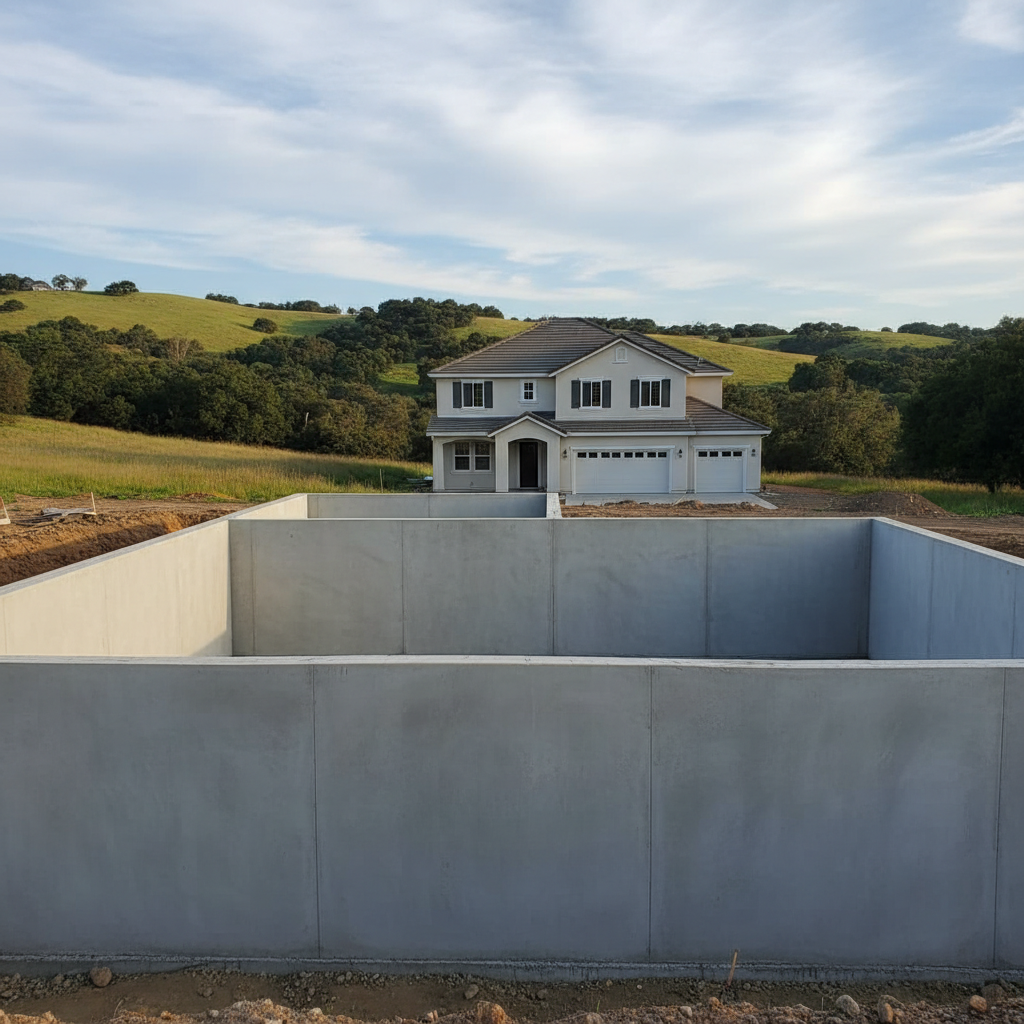
Concrete retaining walls hold back graded slopes and raised beds, and they need drainage behind them or water pressure builds up and pushes the wall out over a few seasons. We put in weep holes and gravel backfill on anything over knee height.

Concrete Pool Decks

Pool decks take direct sun for most of the day, so finish choice matters more than on almost any other slab we pour. A knockdown or light broom texture keeps bare feet from burning in August, and we slope the deck away from the pool so splash-out drains instead of pooling at the coping.

How It Works

Four steps, and no surprises in any of them.

01

We come and look

You tell us what you want doing, we look at what is actually there, and we ask the awkward questions early.

02

You get a price

In writing, itemised, free. If something might add cost later we flag it now rather than at the end.

03

We do the work

Same crew throughout. We cover your floors, keep the dust down and tidy up before we leave each day.

04

We walk it with you

You point out anything you are not happy with and we fix it before the invoice, not after.

Where We Work

All of this, across Lakewood, CA

This list covers where we typically run crews without extra drive-time charges.

Lakewood, CA
Long Beach, CA
Anaheim, CA
Santa Ana, CA
Huntington Beach, CA
Garden Grove, CA
Torrance, CA
Fullerton, CA
Orange, CA
Downey, CA
Norwalk, CA
Whittier, CA
Common Questions

Things worth asking

Questions that tend to come up once a concrete project is actually underway.

Do I need a permit to pour a new driveway or patio?
Most cities require a permit for new driveway or patio concrete, especially if it ties into a public sidewalk or changes drainage toward a neighboring property. Simple replacement of an existing slab in the same footprint sometimes doesn't need one, but it's worth checking with the local building department before the pour.
How long does a typical concrete job take from start to finish?
A standard driveway or patio pour takes one to two days to form and pour, followed by a cure time of at least 24 to 48 hours before foot traffic and about seven days before parking a car on it. Full strength takes closer to 28 days, though the slab is usable well before then.
Can concrete work be done on a tighter budget?
Plain gray poured concrete with a basic broom finish costs less than stamped or colored concrete, and keeping the footprint smaller is the most direct way to control price. Reusing an existing base instead of a full tear-out also cuts cost if that base is still sound.
Do you guarantee your concrete work?
Reputable concrete contractors guarantee against cracking caused by poor workmanship, like bad base compaction or missing control joints, usually for a year or more. Hairline cracking from normal shrinkage is expected in any concrete slab and isn't typically covered, since it's not a workmanship defect.
Who will I actually be dealing with during the job?
On most residential concrete jobs, you deal directly with the crew lead or owner who gave the quote, not a rotating set of subcontractors. That person should be the one answering questions about the pour schedule and any changes.
What kind of concrete mix and reinforcement do you use?
Residential slabs typically use a 3,000 to 4,000 PSI mix, with the higher strength reserved for driveways that see regular vehicle weight. Reinforcement is either welded wire mesh or rebar, with rebar generally preferred for driveways and anything structural.
Can I still live in the house while concrete work is being done?
Yes, living in the house during a driveway, patio or walkway pour is normal, though parking access may be blocked for several days while the new concrete cures. Interior work isn't involved unless the job includes a garage slab or foundation repair.
How should I prepare the site before the crew arrives?
Clear the area of vehicles, furniture, potted plants and sprinkler heads near the work zone before the pour date. Mark any buried irrigation lines or lighting wiring you know about, since those are easy to miss once forms go in.
What happens if you find a problem once the old concrete is removed?
Removing an old slab sometimes uncovers a bad sub-grade, tree roots or a broken pipe that wasn't visible before, and that usually means extra excavation or base repair priced as a change order. A contractor should explain the issue and the added cost before proceeding, not after the pour.
How do I take care of new concrete after it's poured?
Avoid driving or parking on new concrete for at least seven days, and avoid de-icing salts or harsh chemicals on it for the first month. Sealing the surface every two to three years helps stamped or decorative concrete resist staining and keeps plain concrete from absorbing water that leads to surface flaking.

Not sure what you need?

Describe the problem and we will tell you what it probably is. No obligation.

Call (562) 573-7289